Choosing the right powered mobility device makes a real difference in daily independence. For shoppers exploring power wheelchair retail options serving King County, WA, the most common question is whether a power wheelchair or a mobility scooter is the better fit. These two devices serve meaningfully different needs, and understanding the key differences before you buy can save you time, money, and frustration.
How a Power Wheelchair Differs from a Mobility Scooter
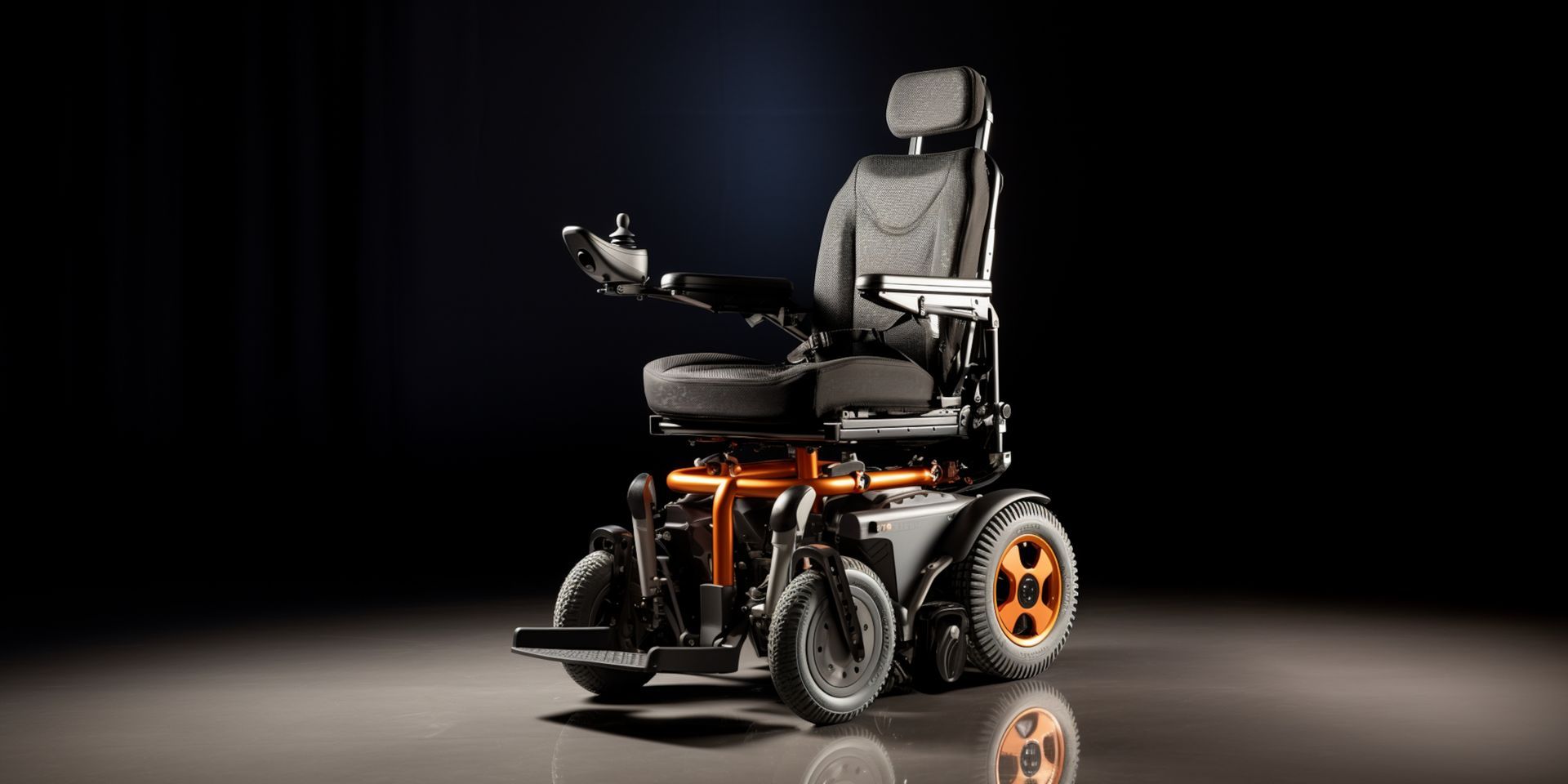
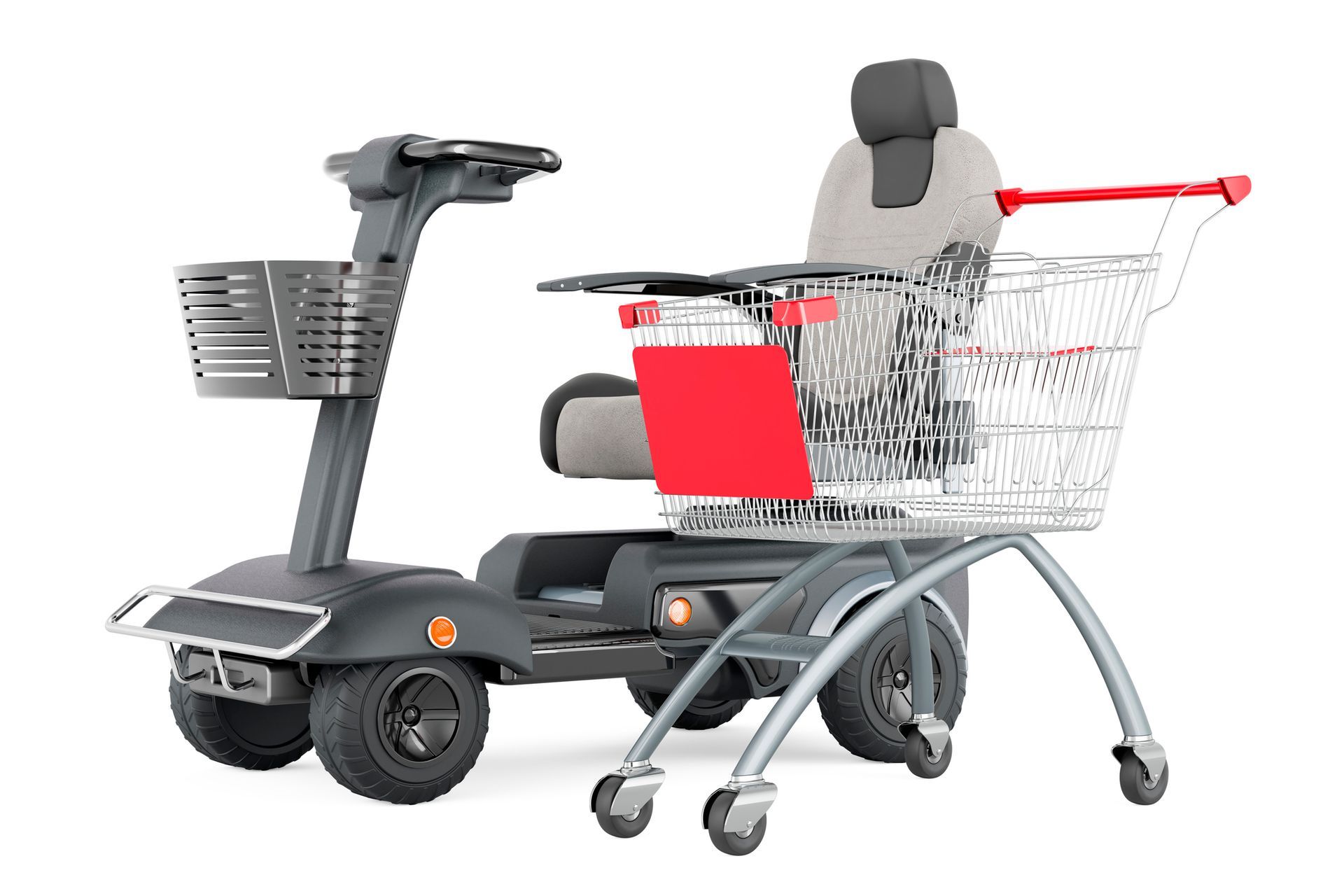
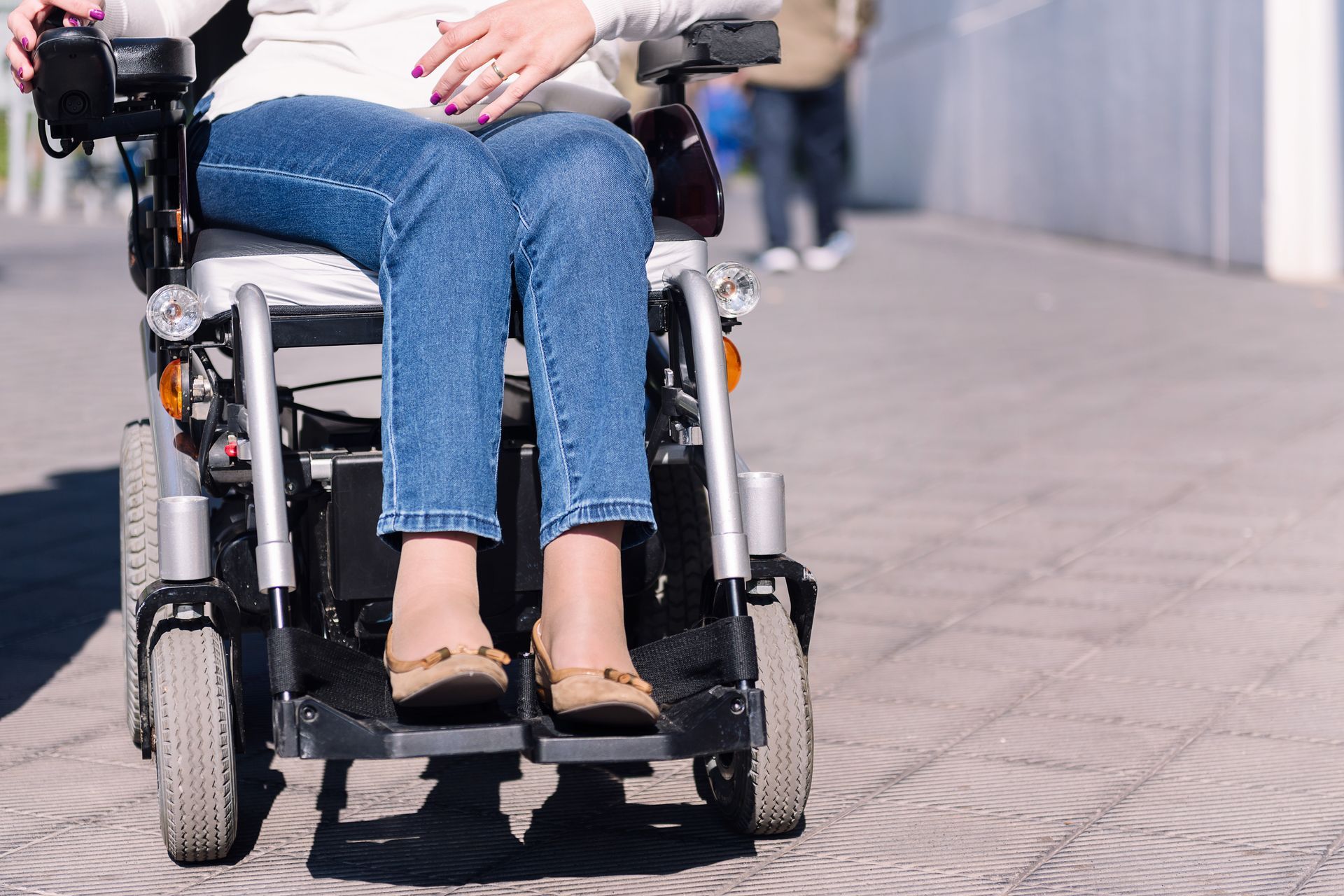
Power wheelchairs are controlled by a joystick at the armrest and can pivot in tight spaces with a small turning radius. Mobility scooters use a tiller steering mechanism at the front, which requires reasonable upper body strength and reach to operate comfortably.
Seating is another key distinction. Power wheelchairs offer full postural support with headrests and positioning options. Mobility scooters suit people who can transfer independently but need help covering longer distances. When visiting any power wheelchair retail location, ask about seating customization options early in the process.
Head-to-Head Comparison
· Control method: Power Wheelchair, joystick at armrest; Mobility Scooter, tiller steering column
· Indoor maneuverability: Power Wheelchair, excellent, tight turning radius; Mobility Scooter, moderate, wider turning radius
· Outdoor use: Power Wheelchair, varies by model; Mobility Scooter, often handles mixed terrain well
· Upper body strength needed: Power Wheelchair, minimal; Mobility Scooter, moderate
· Portability: Power Wheelchair, generally less portable; Mobility Scooter, travel models can disassemble
· Insurance coverage: Power Wheelchair, may qualify with stricter criteria; Mobility Scooter, may qualify with simpler criteria
What King County Terrain Means for Your Choice
King County presents real terrain challenges. Neighborhoods like Capitol Hill, First Hill, Beacon Hill, and areas near Bellevue and Renton include notable inclines and uneven pavement. Tree roots raise and crack sidewalks in older residential areas, and frequent rain means wet surfaces are a year-round reality.
King County's ADA Transition Plan is improving curb ramps and sidewalk access on unincorporated roads, but gaps remain. A power wheelchair retail specialist familiar with local conditions can help identify models suited for King County terrain.
For users regularly traveling paved outdoor paths or shared-use trails, a mobility scooter with adequate ground clearance may handle varied pavement well. For tighter indoor environments or steeper inclines where a smaller turning radius matters, a power wheelchair typically provides more control.
King County Metro buses accommodate mobility devices, so transit commuters should confirm that their device dimensions are compatible with bus securement systems before purchasing. A knowledgeable power wheelchair retail team can confirm which models meet those requirements.
When a Power Wheelchair Is Often the Better Choice
A power wheelchair may be more appropriate when the user has limited arm strength or balance issues and cannot comfortably reach a tiller; when full-time postural support is needed throughout the day; when the primary environment is indoors, such as a home, assisted living facility, or medical building; or when a doctor has documented that a scooter is not medically appropriate.
When a Mobility Scooter Is Often the Better Choice
A mobility scooter may be more appropriate when the user can stand and transfer independently and has reasonable upper body strength; when the primary goal is covering longer distances outdoors such as shopping centers or parks; when portability matters since travel scooters can be disassembled and loaded into a vehicle; or when full-time postural support is not required.
Insurance and Medicare Coverage: What to Know
Both devices may qualify for Medicare Part B coverage as Durable Medical Equipment, but approval criteria differ. Medicare covers scooters when the beneficiary has severe difficulty walking but can safely operate tiller steering. Medicare covers power wheelchairs when a scooter is not appropriate due to the user's physical limitations.
A face-to-face evaluation with a treating provider and a written prescription are required before Medicare will cover either device. Medicare generally covers only one device addressing at-home mobility, so working with your doctor to identify the most appropriate option first is important. Always verify current coverage rules with your insurance provider. A reputable power wheelchair retail provider can help you understand what documentation your doctor will need to prepare.
Does Medicare Cover Used Devices?
Medicare coverage typically applies to new equipment purchased through Medicare-approved suppliers. If you are considering a used power chair to manage costs, it may be purchased out of pocket. Explore the used power chairs available at Wheelchair Haven as a budget-friendly alternative. Quality used inventory often offers significant savings without sacrificing reliability.
Do I Need a Doctor's Prescription?
For insurance coverage, yes. Both devices require a prescription and face-to-face medical evaluation for Medicare or most insurance plans to contribute to the cost. If paying out of pocket, a prescription is not required for the purchase itself, but a clinician evaluation is still a smart first step to confirm you are selecting the right device for your condition.
Ready to Find the Right Device Serving King County?
The right choice comes down to your physical needs, your daily environment, and your long-term goals. A brief conversation with a knowledgeable mobility specialist can often clarify the decision quickly.
Wheelchair Haven has been serving the greater Tacoma and South Puget Sound area since 1990, with new and used power wheelchairs, mobility scooters, and accessories at fair prices. The team services everything it sells. Contact Wheelchair Haven today, or call (253) 926-8971 to speak with a specialist. You can also find Wheelchair Haven on Google to read reviews and get directions.